





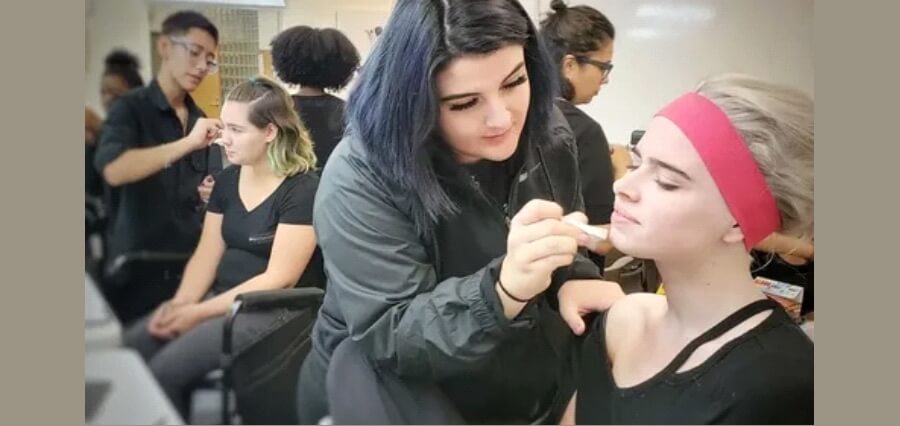
For people who enjoy beauty, fashion, and creative expression, becoming a makeup artist can be an appealing career goal. Makeup artists may work with individual clients, photographers, event organizers, bridal parties, or beauty businesses. However, building a successful career requires technical knowledge, consistent practice, and the ability to understand each client’s needs. Enrolling in makeup classes Brampton can be a useful first step for aspiring artists who want to develop their skills in a structured learning environment.
Build a Strong Foundation in Beauty Techniques
Every makeup artist needs a reliable understanding of basic application techniques. These include skin preparation, foundation matching, concealer placement, powder application, eyebrow definition, eyeshadow blending, and lip colour selection.
Learning the fundamentals helps students create balanced looks and understand how products interact. It also makes advanced techniques easier to learn because students already understand essential concepts such as blending, coverage, and colour coordination.
Beginners can benefit from breaking each technique into smaller steps. Instead of attempting a complete professional look immediately, they can practise one skill at a time and gradually combine the techniques.
Gain Practical Experience
Practical experience is essential for developing makeup artistry skills. Reading about products can provide useful information, but applying them personally helps students understand texture, coverage, blending, and application pressure.
A makeup Lesson Brampton may offer a learning opportunity for people who want to improve their practical knowledge. Prospective students should review the course curriculum to determine whether it includes demonstrations, supervised practice, and feedback.
Repeated practice also helps learners recognize common mistakes. For example, they can identify when foundation is too heavy, eyeshadow lacks blending, or contouring appears too strong. Correcting these issues gradually improves precision and consistency.
Understand Different Makeup Styles
Makeup artists often need to adapt their work to different occasions and personal preferences. A natural makeup look for a daytime event requires a different approach from dramatic evening makeup or a bridal look.
Students can explore soft glam, smoky eyes, classic eyeliner, colourful editorial makeup, and natural complexion techniques. Learning different styles expands creative flexibility and makes it easier to respond to individual requests.
Bridal and event makeup can be particularly interesting for aspiring artists. Exploring bridal makeup Brampton can introduce learners to occasion-focused beauty inspiration and techniques associated with polished event appearances.
Before providing bridal services professionally, artists should gain adequate practice and understand how to work with clients’ expectations, schedules, and preferred looks.
Learn Product Selection and Colour Theory
Product knowledge is another important part of makeup artistry. Artists need to understand differences between foundations, concealers, powders, eyeshadows, lip products, and setting products.
Colour theory can also help learners make better decisions. Understanding warm, cool, and neutral undertones can assist with foundation matching and colour coordination. Knowledge of complementary colours can inspire more creative eye makeup and help artists build cohesive looks.
Students should also learn to work within different budgets. A professional result does not always require the most expensive products; appropriate selection, good technique, and suitable tools are equally important.
Develop Hygiene and Client Communication Skills
Anyone considering a professional makeup career should take hygiene seriously. Clean brushes, sanitized equipment, disposable applicators where appropriate, and careful product handling help reduce contamination risks.
Client communication is equally valuable. Makeup artists should ask questions about preferred styles, event requirements, comfort levels, and relevant product sensitivities. A consultation before application can help clarify expectations and prevent misunderstandings.
Professional conduct also includes punctuality, respectful behaviour, transparent pricing, and clear communication about services.
Start Building a Portfolio
A portfolio allows aspiring artists to demonstrate their abilities. Beginners can create practice looks, photograph their work in consistent lighting, and organize images by style, such as natural makeup, evening makeup, and bridal-inspired looks.
Photographs should accurately represent the artist’s work. If images feature other people, permission should be obtained before publishing them.
Social media can help artists display their portfolios, share educational content, and connect with potential clients. However, a strong reputation develops through quality work, reliable service, and genuine client satisfaction rather than promotional activity alone.
Understand the Business Side of Makeup Artistry
Professional makeup work may involve managing appointments, calculating product costs, purchasing supplies, setting prices, and maintaining a schedule. Artists who work independently also need to consider marketing, customer service, and local business requirements.
A training course may focus primarily on practical makeup skills, so aspiring professionals should check whether business-related topics are included or need to be learned separately.
Conclusion
Makeup classes can help aspiring artists develop technical skills, understand products, explore different styles, and practise professional habits. While completing a course does not automatically guarantee employment or business success, structured learning can provide a useful foundation. With regular practice, a strong portfolio, effective communication, and continued improvement, aspiring makeup artists can work toward their long-term goals in the beauty industry.