





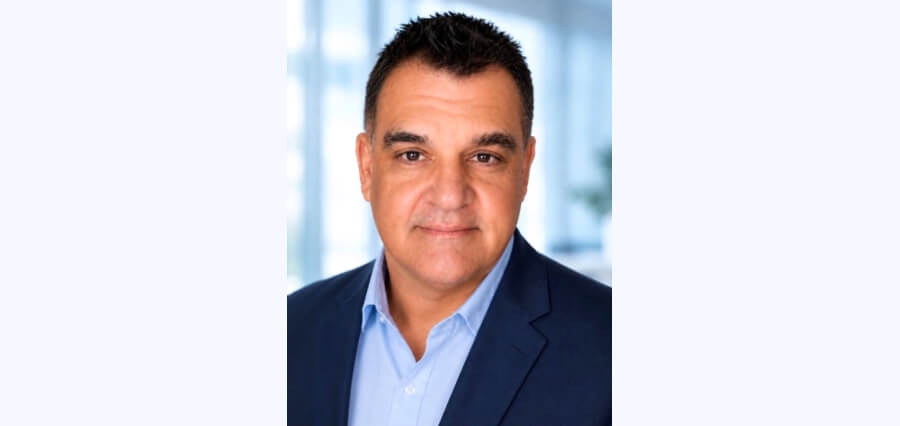
As more people seek ways to stay healthy and independent well into later life, personalized longevity medicine has emerged as a proactive approach that focuses on preventing disease rather than simply treating it. Patients searching for David Borenstein MD founder of Manhattan Integrative Medicine of South Florida are often looking to understand how this model differs from conventional healthcare and why an individualized strategy may lead to better long-term health.
Dr. David Borenstein, founder of Manhattan Integrative Medicine, believes longevity medicine begins by listening to patients and understanding the complete picture of their health. His approach combines traditional medicine with functional medicine, nutrition, hormone optimization, lifestyle medicine, advanced laboratory testing, and continuous monitoring to identify the underlying factors that influence aging and chronic disease.
Instead of waiting for illness to develop, Dr. Borenstein focuses on helping patients improve their healthspan, the years of life spent enjoying good physical, cognitive, and metabolic health.
What Is Personalized Longevity Medicine?
Personalized longevity medicine is a data-driven approach that seeks to optimize health before disease develops. Rather than focusing solely on treating symptoms, it evaluates the biological processes that influence how each individual ages.
According to Dr. Borenstein, longevity medicine is centered on extending healthspan by identifying risks early, optimizing body function, and addressing the root biological mechanisms associated with aging. Unlike traditional medical care, which often reacts to illness after symptoms appear, longevity medicine emphasizes prevention, personalization, and continuous monitoring.
This philosophy closely aligns with root cause medicine. Instead of asking, “What medication treats this symptom?” physicians ask, “Why is this happening in the first place?”
Why Personalized Medicine Is Different
No two people age the same way.
Two individuals with similar medical histories may have completely different nutritional deficiencies, hormone levels, inflammatory markers, metabolic profiles, or lifestyle factors contributing to their health.
That is why Dr. Borenstein believes longevity medicine cannot rely on one-size-fits-all protocols. Each treatment plan is built around comprehensive data analysis, advanced diagnostics, targeted lifestyle modifications, and regular reassessment as patients progress.
His philosophy is equally rooted in listening. Understanding a patient’s symptoms, goals, and overall health serves as the foundation for creating an individualized care plan rather than treating isolated conditions independently.
What Tests Are Performed During a Longevity Evaluation?
A longevity evaluation goes well beyond a routine annual physical.
Depending on the patient’s medical history and goals, a comprehensive assessment may include:
- Comprehensive blood testing
- Nutrition and vitamin analysis
- Thyroid optimization assessment
- Testosterone optimization evaluation
- Inflammation testing
- Blood glucose and metabolic health markers
- Cholesterol and triglycerides
- Cardiovascular risk factors
- Sleep assessment
- Lifestyle evaluation
- Body composition measurements
Rather than generating isolated laboratory values, these results help physicians understand how different body systems interact.
The objective is to identify small imbalances before they contribute to more significant health problems.
How Functional Medicine Improves Long-Term Health
Functional medicine examines how multiple biological systems influence overall wellness.
Instead of treating one diagnosis at a time, functional medicine evaluates how nutrition, hormones, inflammation, metabolism, stress, sleep, and lifestyle affect each other.
Dr. Borenstein integrates these principles into traditional medical care by combining evidence-based medicine with individualized nutrition plans, targeted supplementation, hormone optimization when appropriate, exercise guidance, and continuous monitoring.
The goal is not simply to manage disease but to improve overall function and reduce future health risks.
The Foundation of Healthy Aging
Successful longevity medicine depends on several interconnected pillars.
Nutrition for Longevity
Nutrition supplies the building blocks for cellular repair, immune function, hormone production, and metabolic health. Personalized nutrition recommendations recognize that dietary needs vary based on laboratory findings and individual health goals.
Exercise for Longevity
Regular physical activity helps preserve muscle mass, improve cardiovascular health, increase insulin sensitivity, and support cognitive function. Exercise also plays an important role in maintaining independence as people age.
Sleep and Stress Management
Quality sleep allows the body to repair tissues, regulate hormones, and support brain health. Chronic stress, meanwhile, may contribute to inflammation, metabolic dysfunction, and reduced immune function.
Hormone Optimization
Hormones influence energy levels, metabolism, mood, muscle strength, and overall quality of life.
When clinically appropriate, testosterone optimization and thyroid optimization may become valuable components of a personalized treatment plan. However, Dr. Borenstein emphasizes that hormone therapy works best when combined with improvements in nutrition, exercise, sleep, and stress management rather than being viewed as a standalone solution.
Why Inflammation Matters for Healthy Aging
One of the most important goals of personalized longevity medicine is identifying chronic inflammation before it contributes to long-term disease.
Persistent inflammation has been associated with cardiovascular disease, insulin resistance, metabolic dysfunction, cognitive decline, and impaired immune function.
Inflammation testing can help physicians understand how lifestyle, nutrition, hormones, and other biological factors are affecting overall health.
Rather than suppressing inflammation alone, root cause medicine focuses on addressing the factors contributing to it.
A Personalized Care Example
Every patient requires an individualized treatment strategy, and outcomes vary based on each person’s health status and medical needs.
Dr. Borenstein recalls one patient who presented with multiple chronic conditions, including high blood pressure, elevated cholesterol, diabetes, sleep apnea, and excess weight. The patient hoped to improve his health through a more natural approach while avoiding statin therapy and blood pressure medication if appropriate.
Rather than focusing on the diagnoses alone, Dr. Borenstein ordered a comprehensive blood panel.
The evaluation identified several additional issues, including nutritional deficiencies, low thyroid function, low testosterone levels, and elevated inflammatory markers.
Using those findings, he developed a personalized treatment plan that included dietary changes, nutritional supplements, and selected medications to improve thyroid and testosterone function.
Approximately six months later, the patient had lost 35 pounds while experiencing improvements in cholesterol, triglycerides, blood sugar, blood pressure, vitamin levels, thyroid function, and testosterone measurements. According to Dr. Borenstein, these improvements occurred while using diet, supplements, and minimal medications.
While this represents one individual’s experience and not a guaranteed outcome, it illustrates how comprehensive evaluation can uncover multiple underlying contributors to poor health that may otherwise remain undetected.
Why Doesn’t One Treatment Work for Everyone?
Personalized healthcare recognizes that every patient has a unique combination of genetics, lifestyle, metabolism, hormones, nutrition, inflammation, and environmental influences.
Because those variables differ, effective treatment plans must also differ.
Instead of following standardized protocols, longevity medicine uses continuous monitoring and objective biological data to refine recommendations over time.
Frequently Asked Questions
What is personalized medicine?
Personalized medicine creates healthcare strategies based on an individual’s biology, laboratory results, symptoms, lifestyle, and health goals rather than using identical treatments for every patient.
How does functional medicine improve long-term health?
Functional medicine seeks to identify and address the underlying biological factors contributing to illness while integrating nutrition, lifestyle medicine, conventional care, and targeted therapies.
What causes accelerated aging?
According to Dr. Borenstein, many people incorrectly believe genetics determine most of their lifespan. He notes that lifestyle choices play a far greater role in healthy aging than many patients realize, making nutrition, exercise, sleep, stress management, and preventive care essential components of longevity medicine.
Can hormone optimization improve quality of life?
For appropriately evaluated patients with documented deficiencies, hormone optimization may support energy, muscle health, metabolism, cognitive function, and overall well-being as part of a broader personalized healthcare plan.
Why is inflammation important for healthy aging?
Inflammation can influence cardiovascular health, metabolic health, immune function, and cognitive performance. Measuring inflammatory markers may help identify opportunities for early intervention before chronic disease develops.
A Growing Interest in Personalized Healthcare
Interest in personalized longevity medicine continues to grow as patients become more informed about preventive medicine and healthy aging. Dr. Borenstein believes greater access to health information through the internet and artificial intelligence will encourage more people to seek proactive care that helps them remain active and independent throughout life.
For those researching David Borenstein MD reviews or David Borenstein MD Manhattan Integrative Medicine of South Florida, his philosophy is consistent throughout his practice: listen carefully, evaluate comprehensively, identify the root causes affecting health, and develop individualized treatment plans that help patients optimize their health at every stage of life.