




Introduction
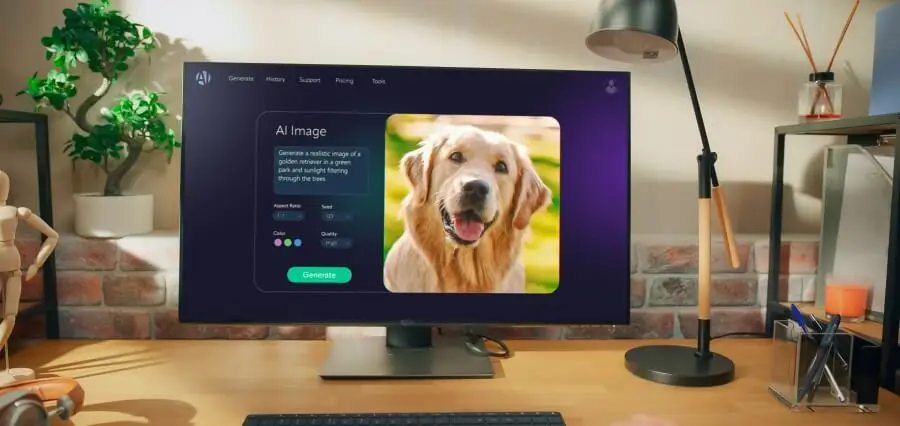
AI image generation is changing how digital visuals are planned, created, and refined. Instead of building every image manually from the beginning, creators can describe an idea and use generative AI to produce a visual starting point. Depending on the technology and workflow, users can work from text prompts, reference images, or existing visuals and then refine the result through additional instructions.
This shift is particularly relevant as websites, social media platforms, online stores, advertisements, presentations, and editorial publications increasingly depend on visual content. Marketers, designers, bloggers, entrepreneurs, and independent creators all need practical ways to explore visual ideas efficiently.
Within this rapidly developing field, Nano Banana 2.5 is one example of the terminology used around AI-powered image generation and editing. Rather than treating any individual model or tool as the entire future of visual creation, it is more useful to view technologies in this category as part of a broader shift toward prompt-driven and AI-assisted creative workflows.
How AI Image Generation Is Changing Creative Work
Traditional visual production often requires creators to begin with stock photography, sketches, photography, illustration, or professional image-editing software. Generative AI introduces another starting point: an idea can be converted into a visual concept through a written description.
A creator might describe the subject, setting, composition, lighting, mood, and intended style. The resulting image can then be reviewed and adjusted. If the composition is not suitable, the creator can try a different prompt or approach rather than rebuilding the entire concept manually.
This makes AI image generation particularly useful during the early stages of creative work. A marketer planning a campaign can explore different visual directions before committing to a final concept. A writer can develop an illustration for an article. A product team can visualize an early idea before professional photography or design work begins.
The important distinction is that AI does not necessarily replace the creative process. Instead, it can make experimentation easier, giving creators more opportunities to test ideas before deciding what deserves further development.
From Text Prompts to Visual Concepts
Text-to-image generation has made visual experimentation accessible to people who may not have advanced design skills. A prompt can function much like a creative brief, describing what the creator wants to communicate without requiring knowledge of every technical design function.
The first result, however, is not necessarily the final result. A creator may generate several versions, identify what works, and adjust the instructions. One image might have the right atmosphere but an unsuitable composition, while another may have a better layout but require changes to the background or subject.
This iterative process is one of the useful characteristics of generative AI. The technology provides visual feedback while the creator remains responsible for deciding which direction is appropriate.
Why AI Image Tools Matter for Content Creators
Modern content teams often need multiple visual assets for a single project. A campaign might require website graphics, social media images, email visuals, article illustrations, presentation slides, and different versions for various platforms.
Creating every early concept manually can take considerable time. AI image tools can help teams explore several possibilities before investing more resources into a final asset.
The benefit also extends beyond professional design teams. A small business owner may need a concept for a promotional image without having an in-house designer. A blogger may need a custom illustration. An entrepreneur may want to communicate a product idea to colleagues using a visual prototype.
In these situations, AI can lower the technical barrier to visual experimentation without eliminating the value of professional creative skills.
Social Media and Marketing
Social media content often requires frequent experimentation. A brand may want to explore several compositions, backgrounds, or visual styles before choosing an appropriate direction.
AI-generated concepts can help marketing teams visualize these possibilities quickly. For example, a campaign manager might create several rough product environments and use them to discuss the direction with a designer or photographer.
The final commercial asset may still require professional photography, illustration, editing, or brand review. AI is therefore useful not only as a production tool but also as a way of making abstract creative discussions more concrete.
Editorial and Concept Development
AI image generation can also support written content. Articles, guides, newsletters, and educational resources may benefit from illustrations that directly reflect their subject matter.
Instead of searching through existing stock images and adapting an unrelated visual, a creator can start with the actual concept behind the article. The resulting image can serve as a draft, an illustration, or inspiration for a more refined visual.
The same principle applies to product and service development. Teams can use generated images to explore possible environments, layouts, shapes, or moods before committing to a finished design.
Where Nano Banana 2.5 Fits Into the AI Image Landscape
As AI image technology develops, model names and product terminology can change quickly. This makes it important to distinguish between a model name, a platform feature, and a search term that may be used more broadly online.
In this context, Nano Banana 2.5 appears within the broader discussion of AI-powered image generation and editing. Its place in this landscape can be understood through the broader shift toward prompt-based visual creation and more flexible editing workflows.
The significance of technologies in this category is not simply that they can generate an image from a prompt. Their wider importance comes from how they can fit into a complete creative workflow. A creator can move from an initial idea to a visual draft, review the result, refine the concept, and then continue working with traditional editing tools where necessary.
This approach also avoids treating one model as a permanent endpoint. AI image generation is developing across many platforms and applications, so the underlying workflow may remain important even as individual model names and features change.
Building an AI-Assisted Creative Workflow
An effective AI-assisted workflow usually begins with the creative objective rather than the tool itself.
Before generating an image, the creator should understand what the visual needs to accomplish. Is it intended to explain an idea, attract attention, support a product, illustrate an article, establish a mood, or help a team visualize a concept?
Once the objective is clear, the creator can describe the subject, environment, composition, audience, mood, and intended use. The AI can then provide one or more visual drafts.
The next stage is human review. Instead of assuming that the first result is ready for publication, the creator should evaluate whether it communicates the intended message and fits the surrounding content.
Prompting and Refinement
Prompting works best as an iterative process. A first generation can reveal what is missing or unsuitable, giving the creator useful information for the next instruction.
For example, the creator may decide that the subject needs to be more prominent, the background should be simpler, or the overall visual direction should be less stylized. These observations can then guide another generation.
Reference images may also be useful when a particular composition or visual direction needs to be maintained. However, creators should consider whether they have the appropriate rights to use reference materials, especially for commercial work.
Human Editing Still Matters
AI-generated visuals often benefit from additional editing. A creator may need to correct details, adjust composition, add approved brand elements, improve typography, or remove something that does not belong.
This is why AI-assisted creation should not be confused with completely automated content production. The technology can accelerate visual exploration, but people remain responsible for deciding whether the result is accurate, relevant, and appropriate.
Practical Benefits of AI Image Generation
Faster Experimentation
One of the most obvious advantages of generative image tools is the ability to explore ideas quickly. When every rough concept requires extensive manual work, creators may stop after developing one workable direction.
AI makes it easier to ask different creative questions. A team can explore several environments, compositions, moods, or visual approaches before deciding which concept deserves further development.
Even when none of the generated images becomes the final asset, the process can reveal useful information about what works and what does not.
Greater Accessibility
AI image tools can also make visual experimentation more accessible. People who are comfortable with writing, marketing, research, or product development may be able to communicate visual ideas without first mastering every function of professional design software.
This does not make design expertise unnecessary. Instead, it gives more people an additional way to communicate concepts and participate in early-stage visual development.
Flexible Content Creation
A single idea may need to appear in several formats. AI-assisted workflows can help creators explore variations that are suitable for different content environments.
However, consistency should not be assumed simply because the same tool is being used. Brand guidelines, visual standards, and human review remain important when multiple assets are being created.
Important Considerations
The convenience of AI image generation also creates responsibilities. A visually convincing image can contain inaccurate details or communicate something misleading. This matters particularly when visuals relate to factual, technical, educational, commercial, or news content.
Creators should therefore review generated images carefully before publication. Objects, text, proportions, people, locations, and other important elements should be checked against the purpose of the content.
Copyright and Licensing
Creators should also understand the terms of the AI service they use. Different platforms can have different rules concerning generated content, commercial use, uploaded references, and other materials.
The same consideration applies to reference images, logos, photographs, characters, and other copyrighted materials. Using an AI system does not automatically resolve every rights or licensing question.
For commercial campaigns and other higher-risk applications, reviewing the applicable terms and obtaining appropriate professional advice may be necessary.
Originality and Brand Identity
As AI image generation becomes easier, there is also a risk that visual content can become repetitive. Similar prompts, styles, and templates can produce work that feels interchangeable.
Human creative direction remains important for this reason. Strong concepts, distinctive storytelling, brand-specific decisions, and thoughtful editing can help AI-assisted content maintain a recognizable identity.
The Future of AI Image Generation
The future of AI image generation is likely to involve deeper integration with broader content-production workflows. Rather than treating image generation as an isolated activity, creators may increasingly use AI alongside writing, editing, video production, presentation design, and other creative tasks.
This could allow creators to develop visual concepts alongside other forms of content rather than treating each production stage as completely separate. A writer, for example, could develop an article and its supporting visual concepts as part of the same creative process.
The role of AI may therefore become less about producing one finished picture and more about assisting creators throughout a larger production process.
Human Creativity and AI Assistance
As these tools develop, human judgment remains central. Creators still need to determine what they want to communicate, which visual direction fits the audience, whether the information is accurate, and whether the final result meets brand or editorial standards.
AI can make experimentation faster, but it does not determine the purpose behind the content. The practical direction is therefore a combination of automated generation with human direction, review, and refinement.
Conclusion
AI image generation is changing digital content creation by making visual experimentation faster and more accessible. Instead of requiring every idea to begin with a lengthy manual production process, generative AI can provide visual drafts that creators can evaluate, refine, edit, or rethink.
Nano Banana 2.5 reflects the broader development of prompt-driven image creation and editing, where creators can explore and refine visual ideas through increasingly flexible AI-assisted workflows.
The broader change is the growing ability to move between ideas, prompts, visual drafts, editing, and final production more efficiently. AI can handle parts of the creative process, while people remain responsible for context, originality, accuracy, brand direction, and final decisions.
As AI image technology continues to develop, the most meaningful shift may not be the replacement of traditional creative work but the expansion of the ways people can turn ideas into useful visual communication.
FAQs About AI Image Generation
What is AI image generation?
AI image generation is a technology that uses machine-learning models to create or modify visual content based on instructions such as text prompts, reference images, or other inputs. Depending on the system, users can create new scenes, develop concepts, transform existing images, or explore different visual directions.
How can creators use AI-generated images?
Creators can use AI-generated images for brainstorming, social media concepts, blog illustrations, marketing drafts, product ideas, presentations, and other visual content. The process is often most useful when creators generate several possibilities and then review or edit them rather than automatically publishing the first result.
Does AI replace human designers?
AI does not remove the need for human creative judgment. Designers and content creators still determine the purpose of an image, establish visual direction, review generated results, make corrections, maintain brand consistency, and decide what should ultimately be published.
What should creators check before publishing AI images?
Creators should check visual accuracy, relevance, composition, brand consistency, readable text, and potentially misleading details. They should also review the current terms of the AI service concerning generated content, commercial use, and reference materials.
Why is Nano Banana 2.5 relevant to AI image generation?
Nano Banana 2.5 is a term appearing in discussions around AI-powered image generation and editing. Its relevance is best understood as part of the broader development of prompt-based visual creation rather than as evidence that one particular model represents the entire future of AI image generation.