



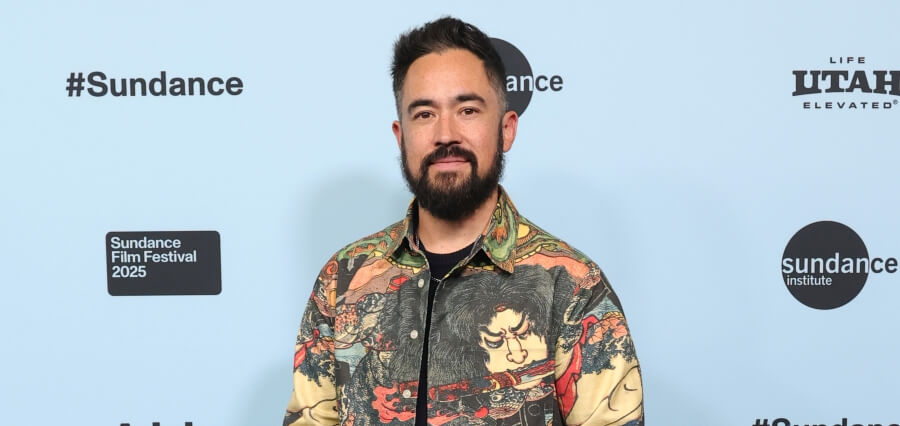
Director David Anthony Ngo has built his reputation through a combination of technical discipline, editorial precision, and a steadily expanding body of documentary work that reflects both international scope and strong creative control. Known professionally as David Anthony, the Australian-Canadian filmmaker represents a generation of directors whose authority comes not from rapid visibility, but from years spent understanding how stories are shaped from the inside out.
In documentary filmmaking, credibility is often earned long before a director’s name reaches festival programs or industry conversations. It is built in edit suites, production meetings, research calls, and long hours spent learning how stories actually function on screen. For writer and director David Anthony, that foundation began in editing, post-production, and producing, where the mechanics of narrative became inseparable from the art of storytelling.
That progression from post-production to directing has helped define his professional identity. Rather than arriving as a director first, he developed his perspective through the less visible but often more formative work behind the scenes. It is one reason his transition into directing feels less like reinvention and more like a natural extension of years spent mastering the structure of film itself.
Recently, David Anthony helmed the Sundance feature Never Get Busted!, executive produced by John Battsek, the Academy Award-winning producer behind Searching for Sugar Man, and Chris Smith, known for Tiger King and 100 Foot Wave, and co-created by Erin Williams-Weir. The documentary follows a former Texas narcotics officer who turned against the system and became known for teaching drug users how to avoid police detection. The project added significant visibility to David Anthony’s work while reinforcing his place within the international film industry .
Early Foundation in Editing and Production
Many directors begin by chasing the camera. Others begin by learning how footage becomes meaning.
For David Anthony film director, editing and post-production provided that early education. Working in producing and post-production gave him access to every stage of narrative construction, from the first structural decisions to the final emotional rhythm of a finished film. It also offered something many directors spend years trying to develop: an instinct for what actually works on screen.
He has spoken about how producing and post-production created the foundation for directing, allowing him to collaborate with a wide range of filmmakers and observe both their successes and mistakes. That exposure shaped his understanding of what strong directors consistently share: a command of craft, the ability to communicate clearly, and an instinctive understanding of story .
Editorial work sharpens discipline. An editor understands pacing because they see where momentum dies. They understand emotional impact because they watch scenes fail when the structure underneath them is weak. They understand performance because they know exactly how fragile authenticity can be once a story reaches the cut.
David Anthony’s view reflects that mindset. He places heavy emphasis on studying story structure, from plot points and character arcs to theme and dramatic progression. In documentary filmmaking, where reality rarely arrives in clean dramatic form, that discipline becomes even more important. Strong nonfiction storytelling still requires architecture. Unlike fiction, where meaning is created through the chronological construction of events, in nonfiction, meaning must be made through the reconstruction of non-chronological events through rigorous writing and editorial work.
This background has given his directing a practical clarity. His work is not built around stylistic excess, but around narrative function. Every choice must serve the story.
Transition from Production to Directing
The move from supporting a project to leading it often reveals whether a filmmaker truly understands authorship.
For David Anthony, directing emerged as a progression shaped by experience rather than ambition alone. Years spent in production meant he already understood the collaborative machinery of filmmaking. Directing required stepping into a role where those lessons could be applied with full responsibility.
He has noted that the best directors he worked with were not simply talented visual thinkers. They were strong communicators who understood every department and could guide people toward a shared result. That broader understanding made directing feel like the next logical step rather than a separate discipline.
The transition also reflects creative maturity. Documentary directing requires far more than visual judgment. It demands ethical decisions, trust-building with subjects, editorial restraint, and the ability to remain calm inside uncertainty. Particularly in true crime and investigative storytelling, directors are often navigating people in conflict, legal tension, and competing versions of truth.
Anthony approaches that work with a clear philosophy: filmmakers are there to provide the microphone, not to impose judgment. He emphasizes objectivity and the importance of allowing people to tell their own side of the story while maintaining professional impartiality .
That perspective strengthens his work as a director because it prioritizes credibility over performance. In documentaries, audiences can sense when a filmmaker is forcing the narrative instead of letting it unfold.
International Work and Global Perspective
Modern documentary filmmaking rarely exists within a single national frame. Stories travel, audiences compare perspectives, and success increasingly depends on whether a film can resonate beyond one market.
David NGO Director has developed that international perspective through both his background and his professional collaborations. As an Australian-Canadian filmmaker working across North American and global contexts, he brings a cross-cultural awareness that benefits documentary storytelling, particularly in stories built around justice, rebellion, and institutional conflict.
He has pointed out that for films to succeed financially and culturally, they often need to work internationally. That means understanding how storytelling translates across different audiences without losing specificity. Themes must remain universal even when the details are highly local.
Film festivals have played an important role in that process. Exposure to audiences across different countries offers immediate feedback on what resonates and what does not. It sharpens the filmmaker’s understanding of human themes that transcend geography.
Anthony identifies justice, rebellion, and the power of the individual as recurring themes in his work. Those subjects travel well because they are understood across cultures. Whether the setting is American true crime or another international subject, the emotional stakes remain recognizable.
This global awareness also helps position him strongly within North American documentary filmmaking while giving his work broader relevance. In an industry increasingly shaped by streaming platforms and international distribution, that perspective matters.
Documentary Recognition and Festival Success
Recognition in documentary filmmaking tends to arrive through credibility rather than celebrity. Festival screenings, executive producer relationships, and industry trust often matter more than public visibility.
Anthony’s recent work reflects that kind of professional validation. Never Get Busted! brought him into collaboration with some of the most established names in nonfiction film, including John Battsek and Chris Smith. Working alongside producers with that level of documentary influence creates both opportunity and pressure.
He has described that experience as a defining moment, noting that working with filmmakers of that caliber raised expectations immediately. Their standards required him to elevate his own work and meet a higher professional bar every day .
That environment matters for emerging directors. Festival recognition does not simply provide exposure. It signals seriousness to the industry. It tells distributors, financiers, and collaborators that a filmmaker can deliver work that belongs in competitive spaces.
Anthony is also the recipient of the PBS Human Spirit Award and has earned recognition as a screenwriter through nominations for the WeScreenplay Diverse Voices and Tracking Board Launch Pad competitions . While awards alone do not define a career, they contribute to a pattern of professional credibility that strengthens long-term reputation.
For documentary directors, consistency matters more than a single breakthrough. Recognition is most meaningful when it reflects a broader body of work and a sustained standard.
Building Long-Term Industry Authority
Reputation in documentary filmmaking is rarely built quickly. It comes from repeated proof: good work, strong collaborators, careful judgment, and the ability to keep delivering under pressure.
David Anthony documentary filmmaker appears to be building that kind of authority. His career reflects substance more than spectacle. He speaks openly about the importance of choosing the right teams, maintaining rigorous fact-checking, and understanding that filmmaking remains deeply collaborative despite the mythology of independence.
He has quoted director Jim Sheridan’s observation that independent filmmaking is often a misnomer because filmmakers are dependent on everyone, from financiers to distributors to crew. That realism reflects an industry mindset shaped by experience rather than idealism .
His emphasis on authenticity also reinforces that professional identity. He argues that style should follow the needs of the subject rather than function as a signature imposed by the filmmaker. Audiences, he suggests, ultimately respond to strong stories told well, not visible directorial self-consciousness.
That restraint often marks stronger directors. It signals confidence in the material rather than dependence on aesthetic performance.
As he continues adapting new true crime material and expanding his directing portfolio, Anthony’s long-term position appears increasingly clear: a filmmaker building a durable career through technical rigor, international relevance, and narrative discipline.
David Anthony represents the kind of director whose credibility grows steadily because it is rooted in craft. His path from editing and production into directing reflects a deeper understanding of filmmaking than title alone can convey. For David NGO Director, reputation is not being built through visibility first, but through the kind of work that makes visibility last.